Rental Property Tax Deductions Every North Carolina Landlord Should Know in 2026

Owning a rental in Durham or anywhere in the Triangle can be a strong long-term investment - but only if you're not overpaying at tax time. Many North Carolina landlords leave money on the table simply because they don't know which expenses are deductible. This guide walks through the rental property tax deductions every NC landlord should have on their radar for 2026, plus the North Carolina-specific rules that shape what you actually owe.
This article is general information for owners, not tax advice. Everyone's situation is different, so confirm the details with a licensed CPA or tax professional before you file.
How rental income is taxed in North Carolina
Start with the basics: you're taxed on profit, not gross rent. You add up the rent you collected, subtract your allowable expenses, and the net figure is what's taxed.
For most individual landlords, rental activity is reported federally on Schedule E, and that net income then flows through to your North Carolina return, where it's taxed at the state's flat individual income tax rate. Because North Carolina starts from your federal figures, every legitimate federal deduction you capture also lowers your state tax. You can review the state's rules through the NC Department of Revenue individual income tax resources.
The landlords who keep the most are the ones who track expenses year-round, not the ones who scramble every April. A simple spreadsheet or software that logs each expense as it happens turns tax season from a guessing game into a copy-and-paste job.
Mortgage interest and loan costs
For most landlords, mortgage interest is the single largest deduction. The interest portion of your monthly payment on a loan used to acquire or improve the rental is deductible. Certain loan-related costs and points may also be deductible or amortized over the life of the loan. (Note that the principal portion of your payment is not deductible - only the interest.)
Depreciation: the deduction owners forget
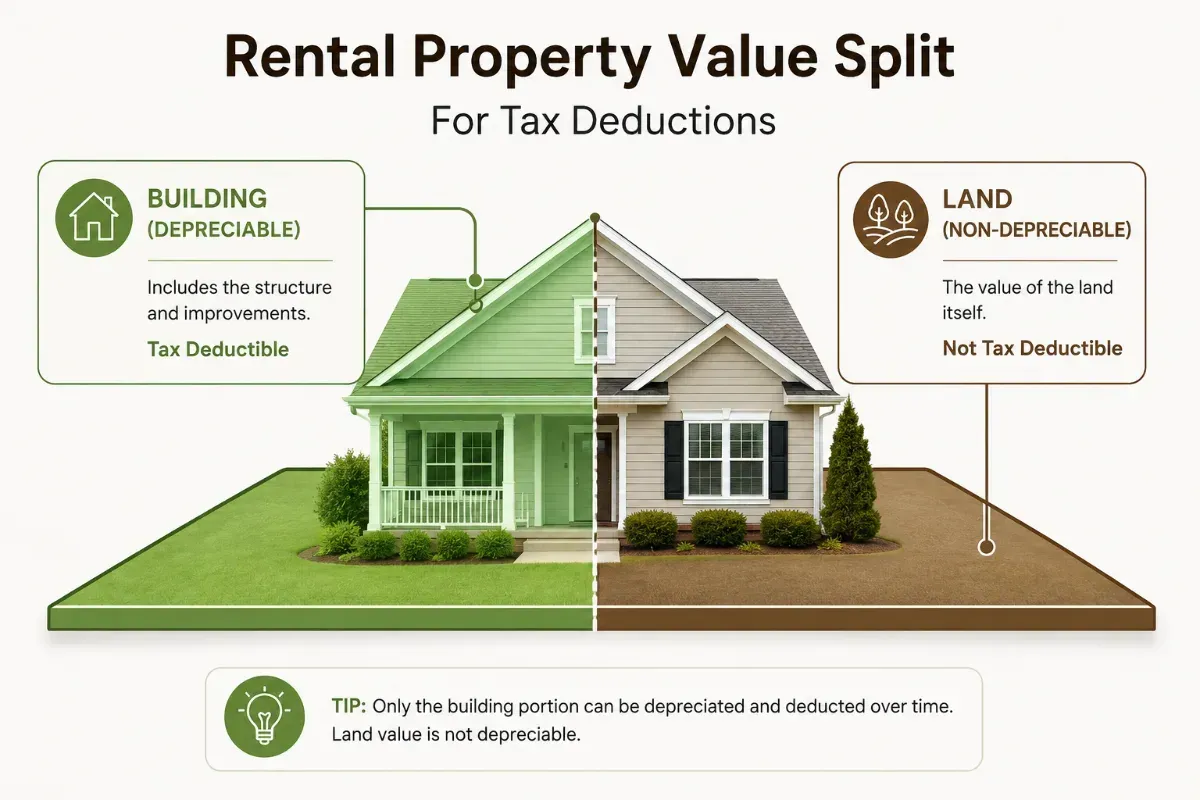
Depreciation is often the most valuable deduction a landlord has, and it's the one new owners most often miss. The IRS lets you recover the cost of the building- not the land it sits on - over 27.5 years for residential rental property.
In practice, that means you can deduct a portion of the property's value every year, even in years you spend nothing on repairs. Over time it adds up to tens of thousands of dollars in deductions. The federal rules are laid out in IRS Publication 527, Residential Rental Property.
Keep in mind that depreciation can be "recaptured" and taxed when you sell, so this is an area where a CPA's guidance pays for itself.
Repairs, maintenance and improvements
Here's a distinction that trips up many owners:
- Repairs and maintenance keep the property in good working order - fixing a leaky faucet, repainting, servicing the HVAC. These are generally deductible in the year you pay for them.
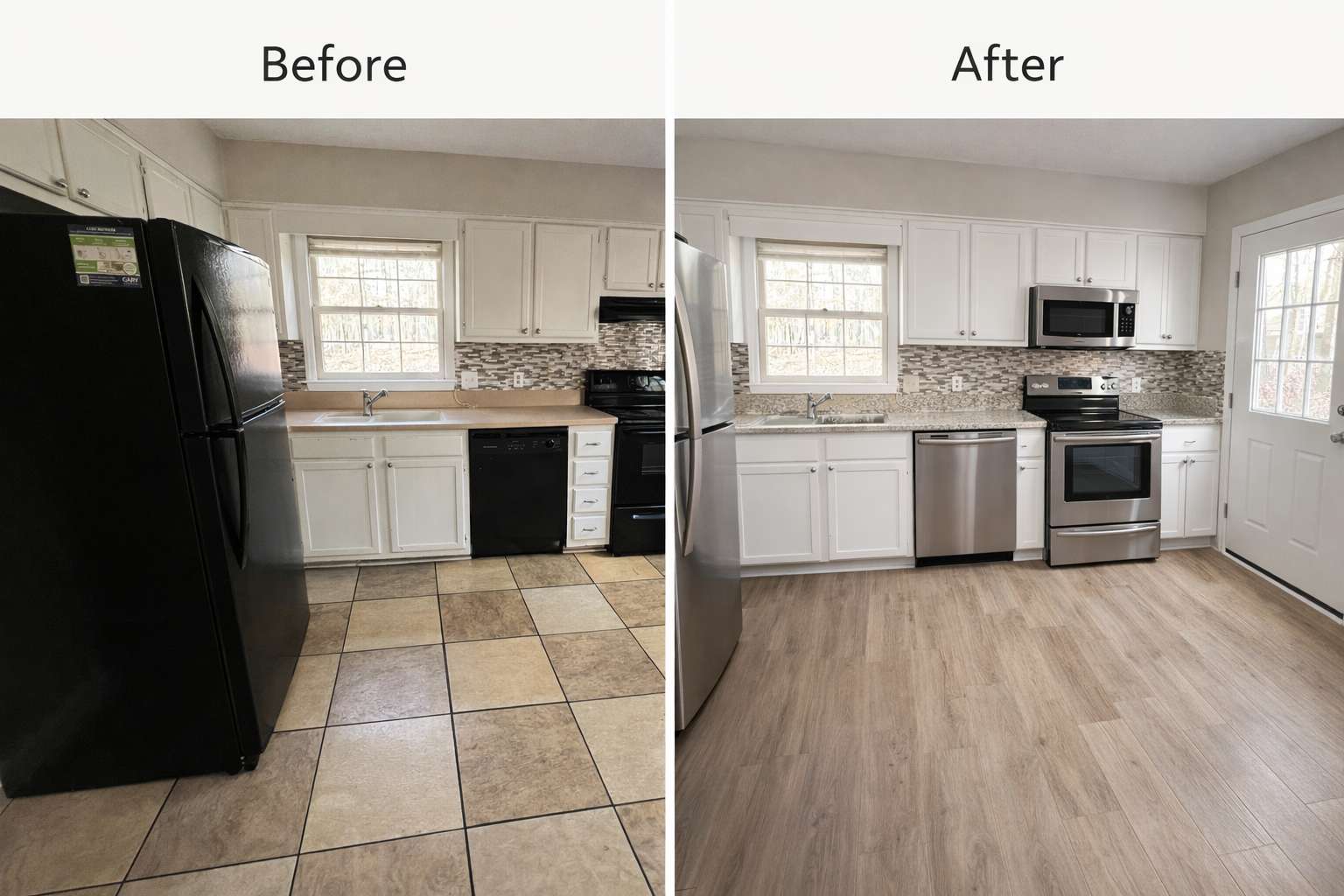
- Improvements add value or extend the property's useful life - a new roof, a kitchen remodel, new windows. These must be capitalized and depreciated over several years rather than deducted all at once.
Getting this right matters. Misclassifying a big improvement as a repair is a common audit flag, and misclassifying a simple repair as an improvement means waiting years for a deduction you could have taken now.
Operating expenses that add up
Beyond the big three, plenty of everyday costs are deductible when they're ordinary and necessary for your rental:
- Property management fees- fully deductible (more on this below)
- Property insurance premiums
- Property taxes paid to Durham County or your local jurisdiction
- Repairs, cleaning and landscaping between tenants
- Advertising and leasing costs to fill a vacancy
- Legal and professional fees, including tax prep and eviction filings
- Utilities you pay on the tenant's behalf
- Travel and mileage for trips to the property (keep a log)
- Supplies and small tools used for the rental
Yes - property management fees are deductible
One of the most common owner questions: is a property management fee tax deductible? The answer is yes. Management fees are an ordinary and necessary cost of operating a rental, so they're generally fully deductible against your rental income.
That changes the real math of hiring a manager. If you're in a combined federal-plus-NC tax bracket, a meaningful share of the fee effectively comes back to you at tax time - while a professional handles leasing, screening, maintenance coordination, rent collection and compliance. For many Durham owners, that makes professional Durham property management far more affordable than the sticker price suggests.
The line between a deductible repair and a depreciable improvement, and how to handle depreciation recapture at sale, are exactly the areas where DIY landlords make expensive mistakes. When a project runs into the thousands, ask a CPA before you file.
Keep records like an auditor is watching
Every deduction is only as good as your ability to prove it. Keep receipts, invoices, bank statements and mileage logs, and separate your rental finances from your personal accounts. Well-organized records make filing faster, maximize what you can legitimately claim, and protect you if the IRS or NC Department of Revenue ever asks questions.
A professional manager helps here too: detailed monthly statements and year-end summaries mean your deductible expenses are already documented and categorized when tax season arrives. Learn more about our services for rental property owners.
Turn tax season into a strength
Rental property tax deductions are one of the biggest advantages of owning income property in North Carolina - but only if you know what to claim and keep the records to back it up. Between mortgage interest, depreciation, repairs and deductible management fees, a well-run rental can shelter a large share of its income from tax.
Apple Realty helps owners run profitable, well-documented rentals - with the monthly and year-end reporting that makes tax time simple. Reach out to see how professional management (a deductible expense) can protect your bottom line.
Frequently Asked Questions
Is a property management fee tax deductible?
Yes. Property management fees are an ordinary and necessary expense of operating a rental, so they're generally fully deductible against your rental income - one reason professional management can be more affordable than owners expect.
How is rental income taxed in North Carolina?
Net rental income is reported on your federal return (Schedule E) and also flows through to your North Carolina return, where it's taxed at the state's flat individual income tax rate. You deduct allowable expenses first, so you're taxed on profit, not gross rent.
What is rental property depreciation?
Depreciation lets you deduct the cost of the building (not the land) over 27.5 years for residential rental property. It's one of the largest deductions available to landlords and applies even in years you spend nothing on the property.
What's the difference between a repair and an improvement for taxes?
A repair(fixing a leak, patching drywall) is generally deductible in the year you pay for it. An improvement that adds value or extends the property's life (a new roof, a renovated kitchen) must be capitalized and depreciated over time.
Do I need receipts to claim rental deductions?
Yes. Keep documentation - receipts, invoices, bank and mileage records - for every expense you deduct. Good records are your protection if the IRS or NC Department of Revenue ever asks you to substantiate a deduction.