North Carolina Landlord-Tenant Law: A 2026 Plain-English Guide for Durham Renters & Owners

Whether you rent a home in Durham or own one, understanding North Carolina landlord-tenant law protects you. Most disputes over deposits, repairs, or lease breaks come down to rules that are actually fairly clear once you know where to look. This 2026 plain-English guide walks Durham renters and owners through the essentials: security deposits, habitability, breaking a lease, and how evictions must work. It is educational, not a substitute for legal advice, but it will help you know your footing.
Where North Carolina landlord-tenant law lives
Most of the rules governing residential rentals in North Carolina sit in Chapter 42 of the North Carolina General Statutes. Two parts matter most to everyday renters and owners:
- Article 5 — the Residential Rental Agreements Act, which sets each side's basic duties, including the landlord's obligation to keep the property habitable.
- Article 6 — the Tenant Security Deposit Act, which governs how deposits are collected, held, used, and returned.
Knowing these two areas covers the vast majority of questions Durham renters and owners run into.
Security deposits in North Carolina: limits, holding, and returns
Security deposits are the single most common source of end-of-lease friction, and North Carolina law is specific about how they work.
Deposit limits (NC Gen. Stat. Section 42-51). The maximum deposit depends on the lease term:
- Week-to-week: up to two weeks' rent
- Month-to-month: up to one and one-half months' rent
- Longer than month-to-month: up to two months' rent
How the deposit must be held. Landlords must keep deposits in a trust account with a licensed North Carolina bank or savings institution, or post a bond. They must also disclose where the deposit is held.
Permitted deductions. The statute lists what a landlord may lawfully deduct, including unpaid rent, unpaid water or sewer charges, damage beyond normal wear and tear, the cost of re-renting after a tenant breach, and court costs. Landlords cannot charge tenants for normal wear and tear.
Return deadline (NC Gen. Stat. Section 42-52). The landlord generally must return the deposit or provide an itemized accounting of deductions within 30 days after the tenancy ends. If damage cannot be fully assessed in that window, an interim accounting is due within 30 days and a final accounting within 60 days.
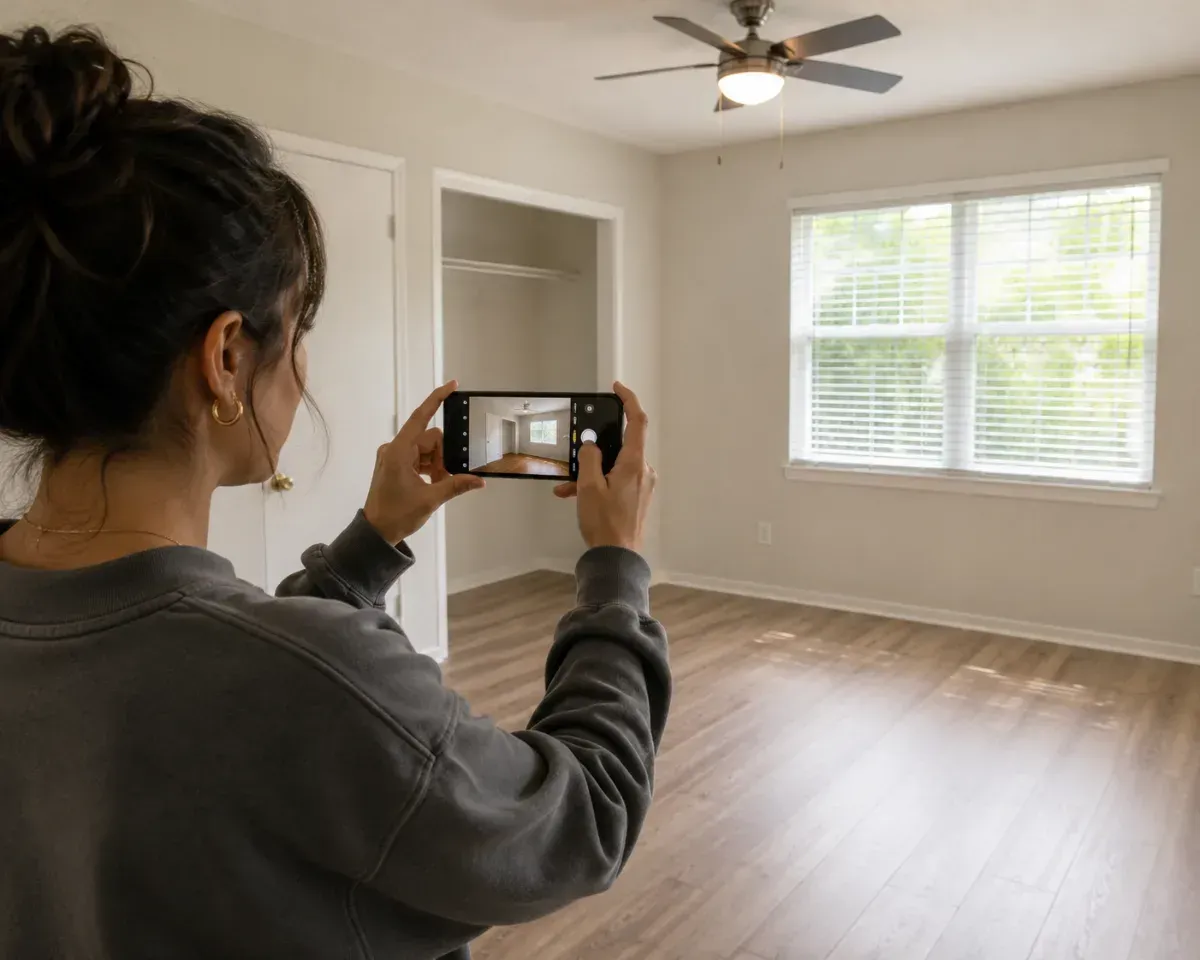
Renters: document the home's condition at move-in and move-out with dated photos, and learn how to get your full deposit back by keeping the property in good condition. Owners: use written move-in and move-out inspections and provide a clear itemized statement within the legal deadline. Good documentation prevents most deposit disputes.
Habitability: the landlord's core duty
Under the Residential Rental Agreements Act, North Carolina landlords must keep rentals fit and habitable. In practice that means maintaining the structure, keeping plumbing, electrical, heating, and where provided, other systems in working order, and complying with applicable building and housing codes.
Tenants also have duties: keeping the unit reasonably clean, not damaging the property, and notifying the landlord of needed repairs. If a landlord fails to make necessary repairs after proper notice, tenants have remedies under North Carolina law, though repair-and-deduct and rent withholding are handled differently than in some other states, so renters should understand the correct process before acting.
Breaking a lease in North Carolina
A residential lease is a binding contract, so leaving early is not automatically free. If you break a lease without a legally protected reason, you can remain responsible for rent until the landlord re-rents the unit. North Carolina landlords generally have a duty to make reasonable efforts to re-rent, which can limit what a departing tenant owes.
That said, North Carolina law provides protected paths to terminate early in specific situations, including:
- Active-duty military members relocating under federal (SCRA) and state protections.
- Victims of domestic violence, sexual assault, or stalking, who have statutory rights to terminate a lease early under North Carolina law.
Outside those protections, the cleanest path is often to negotiate directly with the landlord or property manager, such as agreeing to an early termination fee or helping locate a qualified replacement tenant. Always get any agreement in writing.
Abandoning a lease without a protected reason or a written agreement can lead to owed rent, collections, and credit damage. If you need to leave early, talk to your landlord or property manager first and document whatever you agree to.
Evictions must go through the courts
One of the most important tenant protections in North Carolina is that landlords cannot evict through self-help. A landlord may not change the locks, remove belongings, or shut off utilities to force you out. To remove a tenant, the landlord must file for summary ejectment in the county court and follow the legal process, including proper notice and a hearing.
For owners, this means eviction is a formal legal procedure with strict steps, another reason many landlords rely on a professional property manager or attorney to handle it correctly.
What this means for Durham renters and owners
For renters, the practical takeaways are simple: understand your deposit limits and return timeline, document the property's condition, know that your home must be kept habitable, and never assume a landlord can lock you out without going to court. For owners, compliance is protection. Proper deposit handling, timely accountings, habitable conditions, and lawful eviction procedures help avoid costly disputes.
Because Durham's rental market moves quickly and involves many first-time renters and out-of-town owners, understanding these fundamentals is especially important.
Apple Realty manages rental homes across Durham and the Triangle and helps both renters and owners navigate leases, deposits, and compliance the right way. Reach out with your question or browse our renter and owner resources to learn more.
This guide is general educational information about North Carolina landlord-tenant law, not legal advice, and is current as of 2026. Laws change and every situation is different. Consult a licensed North Carolina attorney regarding your specific circumstances.
Frequently Asked Questions
How much can a landlord charge for a security deposit in North Carolina?
North Carolina limits security deposits based on lease type: two weeks' rent for week-to-week tenancies, one and one-half months' rent for month-to-month leases, and two months' rent for leases longer than month-to-month.
How long does a landlord have to return a security deposit?
Generally within 30 days after the tenancy ends, with an interim accounting allowed if damages cannot be fully determined within that period.
Can you break a lease early in North Carolina?
Yes, but unless a legal exception applies or the landlord agrees otherwise, you may remain responsible for rent until the property is re-rented.
Can a landlord evict me without going to court?
No. North Carolina requires landlords to follow the formal summary ejectment process through the court system. Self-help evictions are unlawful.