If a new job at Duke, Duke Health, or Research Triangle Park is pulling you toward the Triangle, you are not alone. Durham is one of the fastest-growing rental markets in North Carolina, and summer is its busiest leasing season. This guide walks you through what to expect when moving to Durham, NC in 2026: the neighborhoods, the real cost of living, and how to time a peak-season move so you actually land the place you want.
Is Durham, NC a good place to live?
Durham has quietly become one of the most talked-about mid-size cities in the Southeast, and for renters the appeal is easy to see. The economy is anchored by Duke University, Duke Health, and the sprawling Research Triangle Park just south of town, which means a steady stream of jobs in healthcare, research, tech, and education. Add North Carolina Central University and a fast-growing startup scene, and you get a city that draws newcomers year-round.
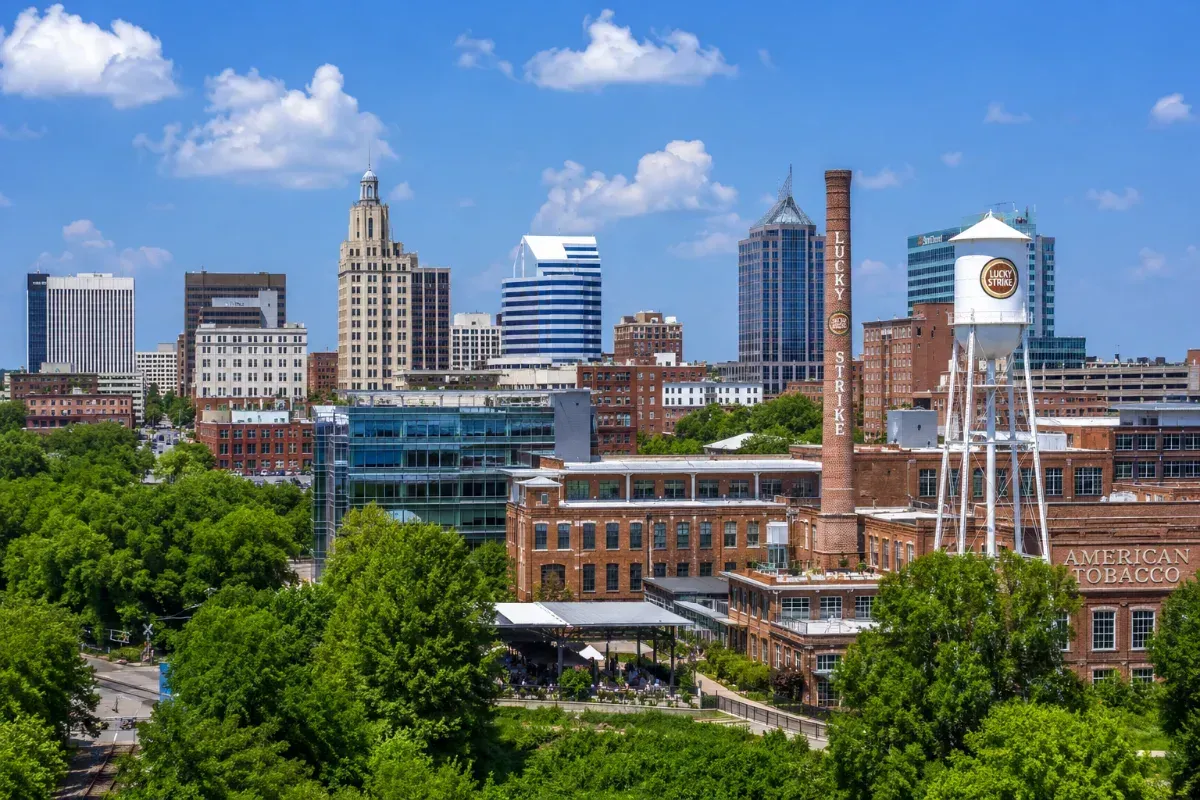
Beyond the paycheck, there is the lifestyle. Durham's revitalized downtown core — built around the historic American Tobacco Campus — is packed with independent restaurants, breweries, the Durham Performing Arts Center, and the Durham Bulls ballpark. Greenways like the American Tobacco Trail give you miles of walking and cycling, and you are roughly 20 minutes from Chapel Hill and 30 from downtown Raleigh.

The main trade-off is demand. Durham's popularity means the summer rental market moves fast, especially for well-located apartments and homes. That is exactly why timing and preparation matter so much, which we cover below.
Cost of living in Durham, NC
One of Durham's biggest draws is that it still costs less than many East Coast metros while offering big-city amenities. Housing is typically the largest line in any renter's budget, and Durham rents remain more approachable than comparable cities in the Northeast or on the West Coast, though prices have climbed with the city's growth.
When you build your relocation budget, plan for more than just rent:
- Rent and deposits: Most Durham landlords require a security deposit, and North Carolina caps how much that can be by lease type. Budget for first month plus a deposit up front.
- Utilities: Electricity (Duke Energy), water and sewer (City of Durham), gas, internet, and trash. Ask which utilities are included before you sign.
- Transportation: Gas and car costs if you commute to RTP, or transit passes if you plan to ride GoDurham.
- Everyday costs: Groceries and dining in Durham are generally reasonable, though the downtown restaurant scene can tempt your budget.
A common rule of thumb is to keep rent around 30% of your gross monthly income. In a competitive summer market, knowing your firm ceiling before you tour keeps you from overcommitting when a great unit appears and leases the same day.
Best neighborhoods in Durham for renters
Durham is a city of distinct neighborhoods, and the "best" one depends entirely on your commute, budget, and lifestyle. Here is a quick orientation:
- Downtown and Central Durham: The most walkable option, close to restaurants, nightlife, and the American Tobacco Campus. Great for renters who want to skip a long commute and live in the middle of the action.
- Trinity Park and Old West Durham: Historic, tree-lined, and close to Duke's East Campus. Popular with students, medical residents, and young professionals.
- Watts-Hillandale and Duke Park: Charming older homes and bungalows, walkable pockets, and an easy reach to Duke and downtown.
- South Durham and Southpoint: Newer apartment communities, big-box shopping, and one of the easiest commutes to Research Triangle Park.
- North Durham and Hope Valley: More space and a quieter, family-friendly feel for renters who want a yard over nightlife.
Renting near Duke University and off-campus housing
If your move is tied to Duke — as a graduate student, medical resident, postdoc, or staff member — you will be shopping in one of Durham's most competitive micro-markets. Demand for Duke University off-campus housing spikes hard in summer as the academic calendar turns over, and the closest walkable units near East and West Campus lease first.
A few tips for renting near Duke:
- Start early: For an August move-in, begin touring in June or early July.
- Widen your radius: Neighborhoods like Trinity Park, Old West Durham, and Watts-Hillandale put you close to campus without paying peak downtown premiums.
- Have your paperwork ready: In a fast market, the applicant who can apply on the spot often wins the unit.
Timing a peak-season move to the Triangle
Summer is when Durham's rental market is at full boil. Duke and UNC student turnover, new medical residents starting rotations, and RTP hiring all converge between June and August. That means more listings hit the market, but also more competition for each one.
To move smoothly during peak season:
- Set your budget and non-negotiables first so you can decide fast.
- Begin touring 4 to 6 weeks out from your target move-in date.
- Prepare your application materials — ID, proof of income, references, and any co-signer info — before you tour.
- Understand the screening criteria for the properties you like so there are no surprises.
- Be ready to apply the same day you find the right place.
The best-located Durham rentals in June, July, and August can be listed and leased within days. If you wait for the "perfect" listing before getting your documents in order, you will lose it to someone who was ready. Preparation beats speed.
Getting settled: transit, schools, and daily life
Once you have chosen a neighborhood, a few practical notes make settling in easier. Durham is served by GoDurham buses, and the Bull City Connector offers free rides on a downtown-to-Duke loop. Research Triangle Park is a short drive from most of the city, and I-40, I-85, and the Durham Freeway keep the wider Triangle within easy reach.
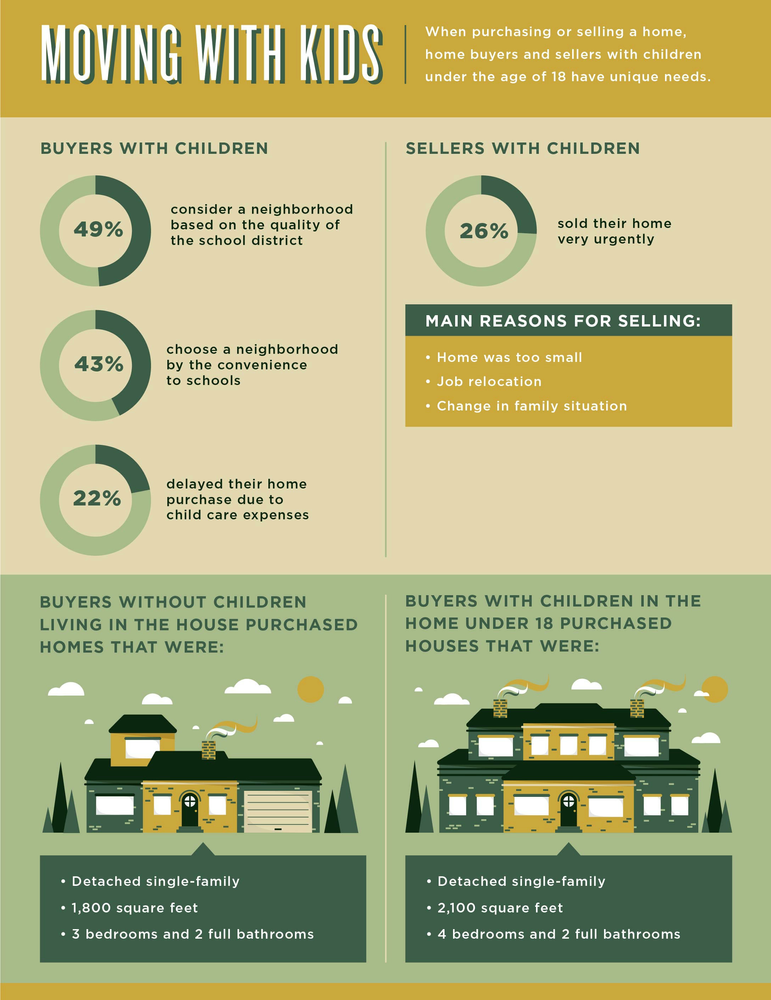
If you are moving with kids, research Durham Public Schools attendance zones for any address you are considering, since zoning can vary block to block. And take advantage of Durham's greenways and parks — the American Tobacco Trail and Eno River State Park are favorites for newcomers getting to know the area.
Ready to find your Durham rental?
Moving to a new city is a lot to juggle, but the right local team makes the rental search far less stressful. Apple Realty manages rental homes and apartments across Durham and the Triangle, and our team knows the neighborhoods, the seasonal rhythms, and how to help you apply with confidence.
Browse Apple Realty's current Durham rental listings and review our application requirements before you tour. Have questions about a specific neighborhood or move-in timeline? Reach out. Our Durham team is happy to help you land the right place this summer.
This guide is general relocation information, not legal or financial advice. Rental availability, pricing, and screening criteria vary by property and change with the leasing season.
Frequently Asked Questions
Is Durham, NC a good place to live in 2026?
For many renters, yes. Durham pairs a lower cost of living than many East Coast metros with a strong job market anchored by Duke University, Duke Health, and Research Triangle Park. You get walkable downtown dining, the American Tobacco Campus, greenways, and quick access to Chapel Hill and Raleigh. The trade-off is a competitive summer rental market, so start your search early.
When is the best time to rent an apartment in Durham?
Inventory is highest but competition is fiercest from June through August, when Duke and UNC student and staff turnover peaks. If you can be flexible, searching in late fall or winter often means less competition and more negotiating room. For a summer move, begin touring 4 to 6 weeks before your target move-in date.
What are the best neighborhoods in Durham for renters?
It depends on your priorities. Downtown and Central Durham and Old West Durham suit renters who want walkability and nightlife. Trinity Park and Watts-Hillandale offer historic charm near Duke's East Campus. South Durham and areas near Southpoint tend to have more newer apartment communities and easier RTP commutes. Families often look toward Hope Valley and North Durham for more space.
How much does it cost to rent near Duke University?
Rents near Duke's campus and in walkable downtown neighborhoods generally run higher than Durham's overall average because of demand from students, medical residents, and faculty. Studios and one-bedrooms lease fastest in summer. Browsing current Durham rental listings is the most accurate way to gauge today's pricing, since rates shift with the leasing season.
Do I need a car to live in Durham?
A car makes commuting to Research Triangle Park and getting around the wider Triangle much easier. That said, downtown Durham, the Duke campus area, and several close-in neighborhoods are reasonably walkable and served by GoDurham buses and the free Bull City Connector, so some renters manage car-light lifestyles.